What Size Solar Panel Do I Need to Charge My RV Battery
Estimate RV solar capacity from daily energy use, battery recovery needs, and the sunshine available on your trips.
The right solar panel size for an RV battery depends on how much energy you use, how much you need to replace, and how much useful sunlight you can expect. Battery size matters, but it is only part of the calculation. A large battery supporting a few lights can need less daily charging than a smaller battery running a busy campsite.
For a useful starting point, work in watt-hours. Once you know your daily energy requirement, you can estimate panel capacity and then check the charging equipment. That is more reliable than buying a panel simply because the box says RV.
Start With Your Daily Loads
List the equipment you expect to use while away from shore power. Include lighting, fans, water pumps, device charging, controls, and any appliances that actually run from the battery system.
Multiply each device's power in watts by its operating hours to estimate watt-hours. A 10W light used for four hours consumes 40 Wh. A 20W fan used for five hours consumes 100 Wh. Intermittent loads need an estimate of their total running time, not just the hours they are switched on.
Be especially careful with refrigerators. Different RV refrigerator types have very different electrical demands. Use the appliance's documentation or measured consumption instead of borrowing a number from an unrelated setup.
Add the Energy You Want to Recover
Daily replacement and battery recovery are different goals. If you use 500 Wh each day, a system producing 500 Wh under the same conditions roughly keeps pace before any omitted losses. It does not also replace a large deficit from the previous cloudy day.
Suppose you want to replace 500 Wh of daily consumption and recover another 300 Wh. Your charging target becomes 800 Wh. Decide whether that recovery must happen in one day or can be spread over several days.
This distinction helps explain why a system can appear adequate during light use but struggle after a busy weekend. The panel may be maintaining your usage without having spare capacity to catch up.
Use Peak Sun Hours Carefully
Peak sun hours express the day's solar energy as an equivalent number of hours at full reference sunlight. They are not the same as the number of hours between sunrise and sunset.
For an illustrative estimate, assume four peak sun hours and a 75 percent overall collection allowance for the planning calculation. An 800 Wh target would need 800 ÷ 4 ÷ 0.75, or about 267W of panels. A practical selection might move into the 300W category, subject to the rest of the system.
If your assumption drops to two peak sun hours, the same calculation becomes about 533W. These are examples, not a forecast for every Calgary campsite or season. Use suitable local solar data and conservative assumptions for the months you travel.
Understand What Your Battery Stores
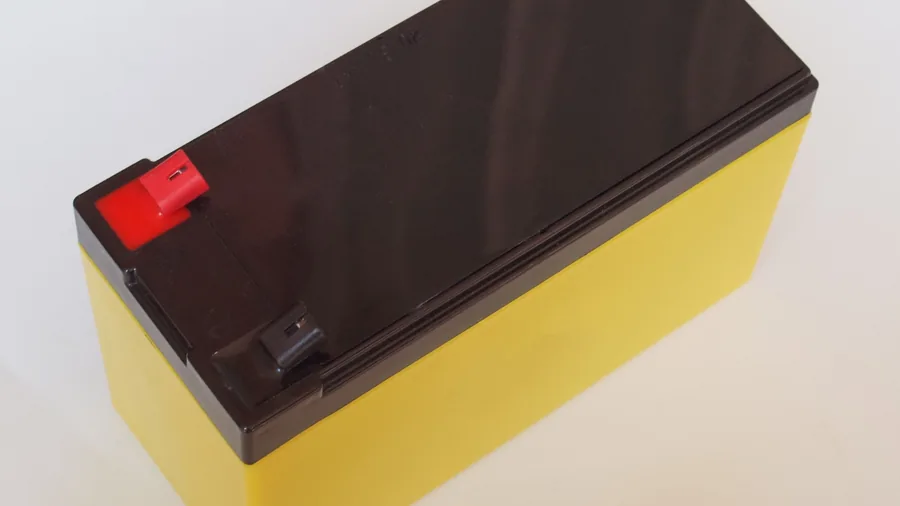
A nominal 12V, 100Ah battery contains approximately 1,200 Wh by simple multiplication. A 12.8V, 100Ah lithium iron phosphate battery is approximately 1,280 Wh nominal. Neither number automatically equals the energy you should plan to use.
Permitted discharge depth, battery condition, temperature, and system losses affect usable energy. Follow the battery manufacturer's limits. Do not apply the same charging profile or usable-capacity assumption to every battery chemistry.
If you have several batteries, confirm how they are connected. Series and parallel arrangements change voltage and capacity differently. Read the installed system specifications rather than multiplying the number of batteries by a familiar headline figure.
Match the Charge Controller
A solar charge controller needs to suit the battery voltage and chemistry as well as the panel array. Check its maximum PV voltage, permitted current, supported panel wattage, and output charging current.
MPPT controllers can convert available panel power into charging current at battery voltage, within their limits. That makes both sides of the specification important. A controller's battery-side current rating is not the same thing as the panel's current rating.
Our guide to a charge controller for a 500W panel array explains that distinction with numbers. For an existing RV system, use the installed equipment manuals before adding extra panels.
Roof Panels or Portable Panels?
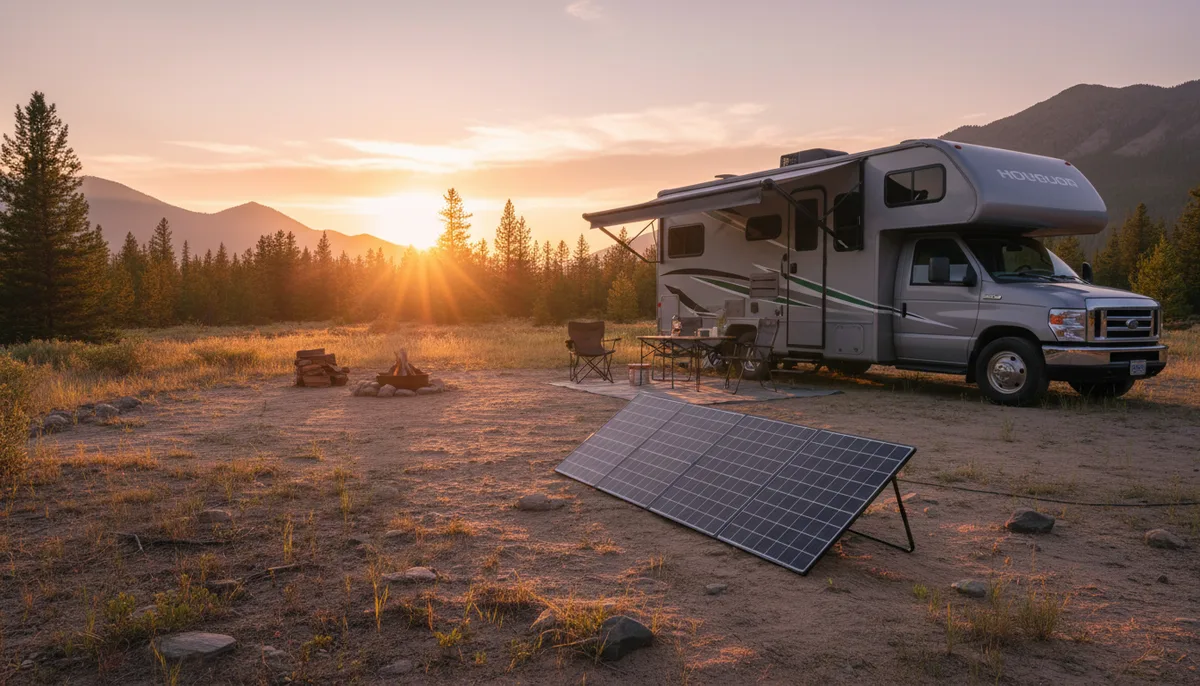
Roof-mounted panels are convenient because they are already in place when you arrive. They also charge while the vehicle is parked in suitable sun. The trade-off is that you may prefer to park the RV itself in shade.
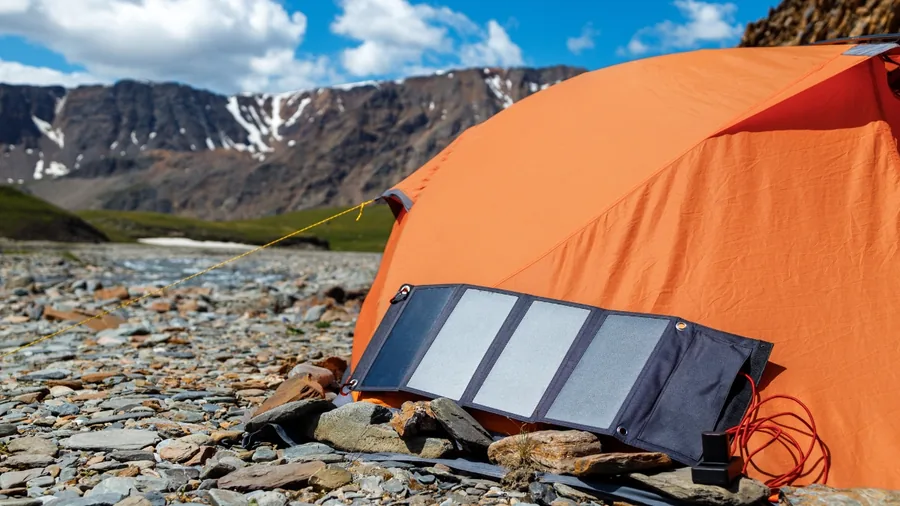
Portable panels give you more freedom to place the collection surface in sunlight while keeping the living area cooler. They need storage, setup time, suitable cables, and somewhere safe to stand without obstructing the campsite.
A combination can work, but only when the electrical arrangement supports it. Do not join unlike panels or parallel charging sources without checking the controller and system requirements.
Plan for Poor Weather
Solar capacity and battery capacity solve related but different problems. More panel capacity can improve collection when sunlight is available. More usable battery capacity can extend the time between charging opportunities. Neither creates unlimited energy.
Decide which loads you can reduce when the weather turns. Decorative lighting and optional device charging are easier to postpone than essential controls or equipment you genuinely rely on.
For longer trips, identify an appropriate alternative charging option. Depending on the RV, that might involve shore power or an approved vehicle-charging system. Treat solar as part of an energy plan rather than a promise that the battery will always recover by lunchtime.
For a worked capacity example, see sizing solar for a 100Ah battery. Then compare portable solar blankets with the panel format you can realistically position and store on your trips.
Frequently Asked Questions
Is a 100W panel enough for an RV?
It may suit modest maintenance or light use under favourable conditions. Using the example assumptions above, 100W × four hours × 0.75 gives about 300 Wh. Compare that with your actual loads.
Will a bigger panel damage the battery?
An appropriately designed charging system controls charging within the battery's limits. An oversized or mismatched installation can exceed equipment limits, so check the complete system before expanding it.
What should I measure after installation?
Track daily consumption, collected energy, and battery state of charge using suitable monitoring equipment. Real trip data lets you refine the original estimate and tells you whether another panel, a larger battery, or simply less consumption would help most.