What Size Solar Panel Do I Need to Charge a Cell Phone
Choose a phone charging solar panel using battery capacity, USB compatibility, and realistic camping conditions.
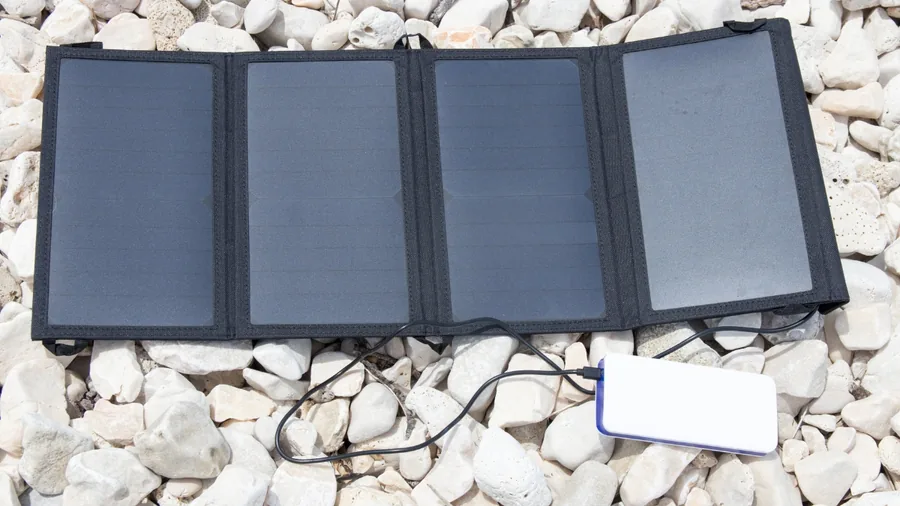
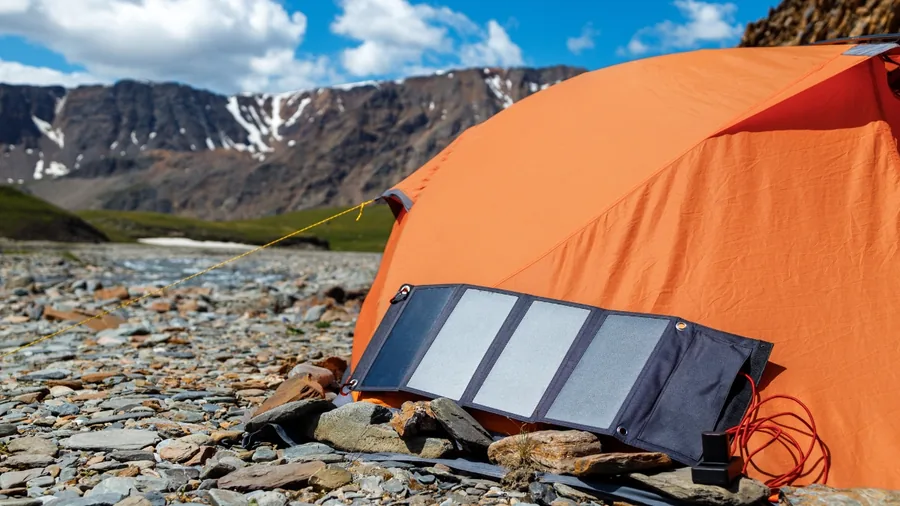
For charging a phone while camping, a portable panel in the 20W to 30W range is often a useful starting category, provided it has a suitable regulated USB output. Smaller panels can help in good conditions, while larger ones may make sense if you are charging several devices or a bigger power bank.
The rating is only part of the decision. A panel needs usable sunlight, compatible charging connections, and enough time outside to collect energy. For many trips, pairing it with a power bank is more convenient than leaving your phone connected to a panel all afternoon.
Start With the Phone Battery
Phone batteries are commonly advertised in milliamp-hours, but watt-hours make comparisons easier. To estimate watt-hours, multiply amp-hours by the battery's nominal voltage. A hypothetical 5,000mAh battery at 3.85V contains about 19.25 Wh.
That example is not the capacity of every phone. Check your device's published information when available. Also remember that a 20 percent top-up needs much less energy than charging a nearly empty battery.
Charging losses mean the panel or power bank needs to provide more energy than the amount stored in the phone. If you want an estimate for planning, allow some margin rather than expecting every watt-hour collected to become a watt-hour in the battery.
Why a 20W Panel Does Not Always Give You 20W
Panel wattage describes output under specified test conditions. Real camping conditions include changing sunlight, imperfect positioning, shade, warm panels, and the limits of the USB charging electronics.
The phone also controls how much charging power it accepts. Its battery level, temperature, supported charging protocol, and cable can all affect the result. A larger panel does not force the phone to charge faster than the phone permits.
A useful way to think about the rating is as available capacity under favourable conditions. It is not a guaranteed continuous charging rate from breakfast until sunset.
A Simple Energy Example
Suppose you want to collect 25 Wh for a phone charge, including an allowance for losses. If the overall setup averages 10W of useful output during charging, that takes about two and a half hours. At an average 5W, it takes about five hours.
For a broader daily estimate, a 20W panel receiving four equivalent full-sun hours with an illustrative 70 percent collection factor gives 56 Wh. A shaded campsite or cloudy afternoon can produce substantially less.
Use those calculations to understand the trade-off, not to promise a charging time. Your actual panel, phone, weather, and charging arrangement determine the result.
Direct Charging or a Power Bank?
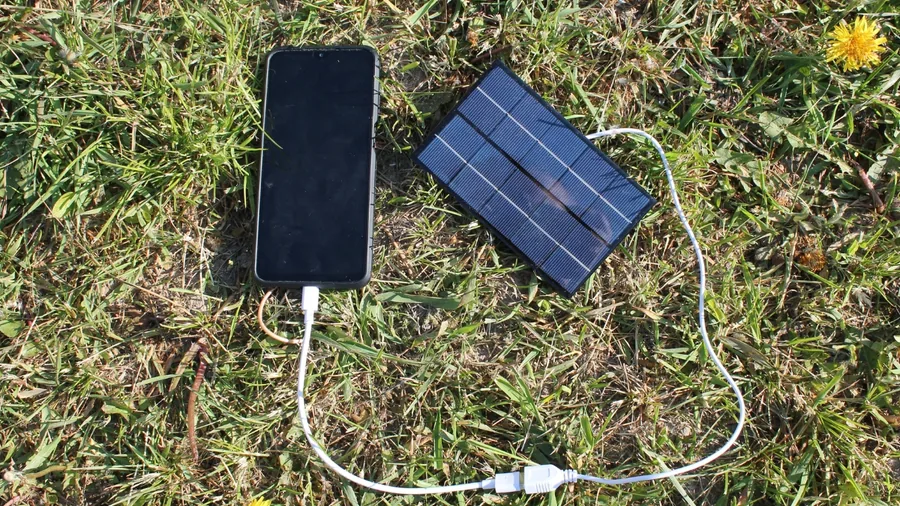
Direct charging means connecting the phone to the panel's regulated USB output. It uses fewer components, but the phone has to remain near the panel while it charges. Moving shadows can interrupt or reduce output.
With a power bank, you collect energy into the bank during the day and charge the phone when convenient. That adds conversion losses, but it also lets you keep the phone with you and use the stored energy after sunset.
Before buying, check that the power bank accepts the panel's output and resumes charging reliably after an interruption. Do not assume every combination handles variable solar input equally well. Test the complete setup before depending on it away from home.
Check the USB Specifications
Look for the panel's regulated USB output rating, not just the wattage of its solar cells. A panel with a 5V, 2A USB port can provide up to 10W through that port under suitable conditions, even if the panel's headline rating is higher.
USB-C is a connector type, not a promise of a particular charging speed. If fast charging matters, confirm the supported protocol and output profiles on both the panel and the receiving device. Use an appropriate cable.
Avoid connecting a phone to an unregulated solar output through a random adapter. The charging electronics need to provide the correct regulated supply. Physical compatibility alone is not enough.
Choose for the Trip You Actually Take
For a weekend with one phone, a fully charged power bank may be simpler than carrying a panel. Estimate your usage first. Airplane mode when appropriate, downloaded maps, and restrained screen brightness can reduce charging demand.
For a longer stay in one sunny location, a folding panel becomes more useful. You can position it while you are around camp and build a charging routine without constantly rearranging equipment.
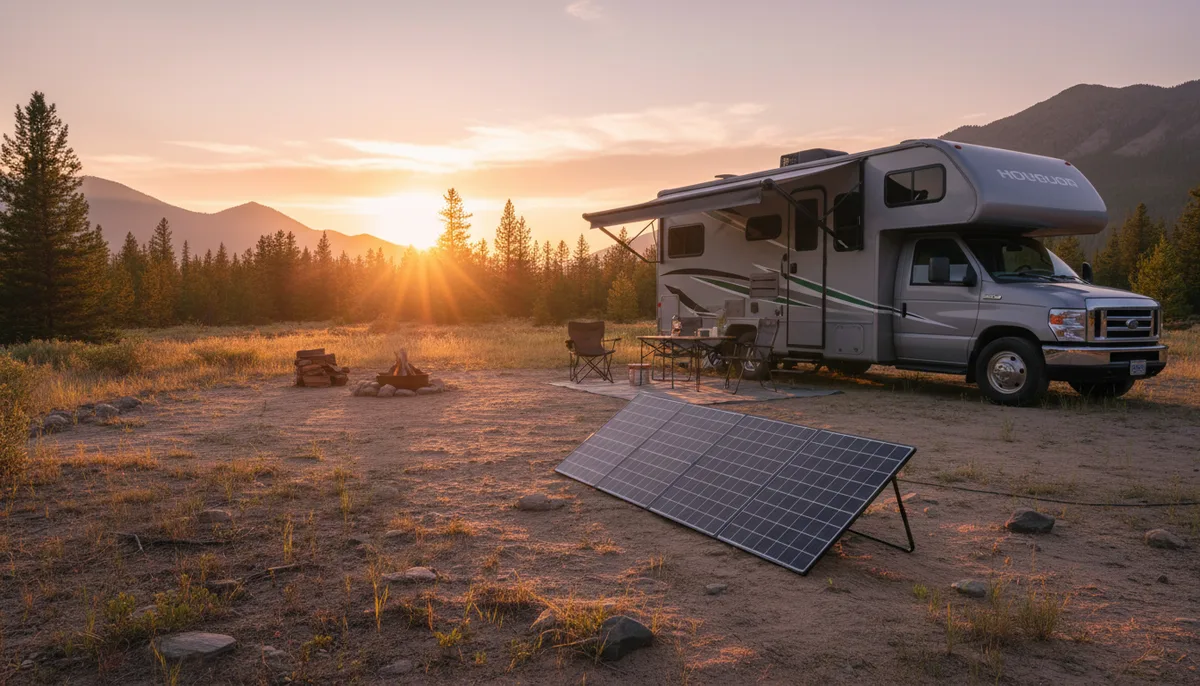
For several phones, lights, cameras, or other devices, add the energy requirements together. You may be better served by a larger camping solar panel and compatible storage than several small solar gadgets.
Keep the Phone Cool and Dry
Put the panel in the sun and the phone or power bank in a protected, ventilated location within its temperature limits. Leaving a phone on a hot panel or dashboard can interrupt charging and expose it to unnecessary heat.
Keep cables out of paths and protect connections from rain according to their ratings. A weather-resistant panel does not automatically make the attached phone, USB port, or power bank weatherproof.
At home, try the setup with the devices you intend to bring. Check charging progress over time and see what happens when the panel moves briefly into shade. That small rehearsal is more useful than discovering an incompatibility at camp.
A camping power bank can separate daytime collection from evening phone charging. If you also have larger loads, compare solar blankets with smaller USB panels instead of sizing the whole campsite around one phone.
Frequently Asked Questions
Will a tiny solar power bank replace a folding panel?
Not usually for regular charging needs. A very small collection area limits how much energy it can gather. Treat any built-in panel according to its actual specifications and realistic collection time.
Can solar charge a phone on an overcast day?
It may, but output can be low and inconsistent. Carry enough stored energy for the conditions you expect rather than counting on a full recharge every day.
What size should I buy first?
For one phone on longer camping trips, compare reputable regulated USB panels around 20W to 30W, then check weight, packed size, compatibility, and your likely sunshine. The best setup is the one you can position and use consistently.