Best Solar String Lights for Camping
Compare solar string light features, plan useful campsite lighting, and understand charging and runtime.
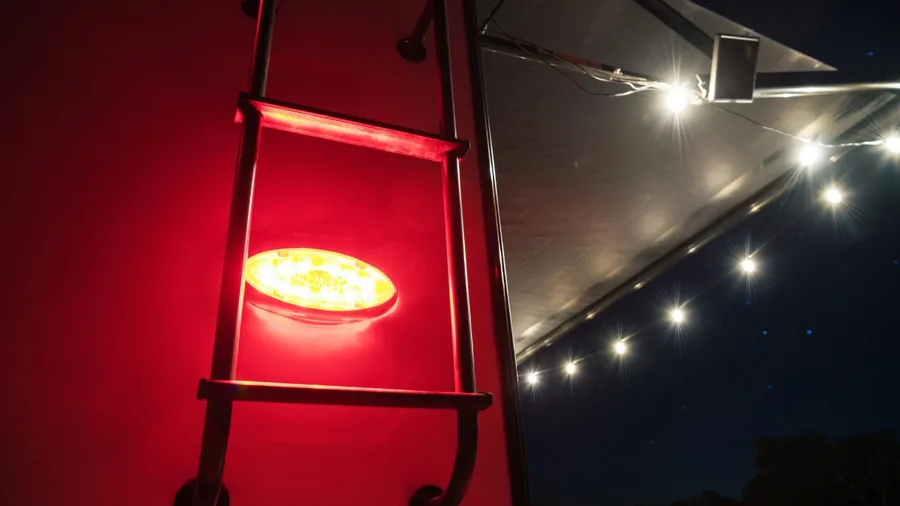
Solar string lights make a campsite easier to enjoy after dark. They can mark the edge of an awning, soften the light around a picnic table, and help you find your chair without pointing a headlamp into everyone's face. The best set is usually the one that is easy to charge, hang, dim, and pack away.
There is a difference between decorative lighting and a light you can depend on for a particular task. Think of string lights as comfortable background lighting. Keep a separate headlamp or lantern available for cooking, walking to the washroom, and dealing with a loose tent peg.
What Makes a Good Camping Set?
A useful camping set needs more than a solar panel attached to the box. Look for a rechargeable battery, a manageable cord length, durable bulbs, and controls you can find in the dark. A USB charging option is valuable when the weather does not cooperate.
Brightness adjustment matters too. The amount of light that feels helpful while unpacking can feel excessive once everyone is sitting down. A genuinely low setting lets you keep the campsite comfortable without lighting up your neighbours' tents.
Finally, check how the lights pack. A built-in reel or dedicated storage pouch can save you from spending the first twenty minutes of every trip untangling a glowing fishing net.
A Compact Solar and USB Option
BioLite's Luci Solar String 18' Color is an example worth comparing for a small campsite. The manufacturer lists an 18-foot cord, ten shatterproof bulbs, solar and USB-C recharging, and an IPX4 water-resistance rating.
That combination is useful if you want one compact set around a table or small shelter. The colour settings are optional atmosphere, not a reason to overlook basic brightness and charging performance. This is a specification-based example; we are not claiming a hands-on runtime test.
Before ordering, check that you are looking at the same version. Similar product names can cover different lengths, charging ports, and light colours.
Best for a Small Tent or Picnic Table
For a modest campsite, start with a shorter set that reaches the area where you actually sit. More cord is not automatically more useful. Extra length can mean extra tangles, additional hanging points, and lights extending into places you do not need illuminated.
Choose a reel-style arrangement if quick setup is the priority. A set that stays contained in one housing is easy to move from an awning to a picnic shelter without dismantling half the campsite.
Warm or adjustable white light is worth considering if you read or eat underneath it. Colour-changing lights can be fun, but make sure you can select a steady mode rather than being committed to a cycling display.
Best for an RV Awning
Measure your awning before choosing the lights. Decide whether you want one line along the front edge or coverage around more than one side. Include enough lead to place the charging unit somewhere practical.
Use suitable clips rather than sharp fasteners, and avoid putting the cord where the awning mechanism can pinch it. Take the lights down before retracting the awning unless the manufacturer specifically permits that installation.
A larger set can work well here, but it also deserves a larger charging budget. Do not assume a tiny panel will replace a long evening of maximum-brightness lighting every day. If dependable nightly use is important, USB backup charging is a sensible feature.
Solar Charging Needs a Plan
Put the solar panel where it receives direct sunlight, not under the same shelter that keeps your chairs cool. If the panel is built into a reel or housing, think about its daytime position before fixing the lights in place.
Shade moves during the day. A spot that looks excellent at breakfast may be under the awning by lunch. Check it when you return to camp and reposition the charging unit if the design allows.
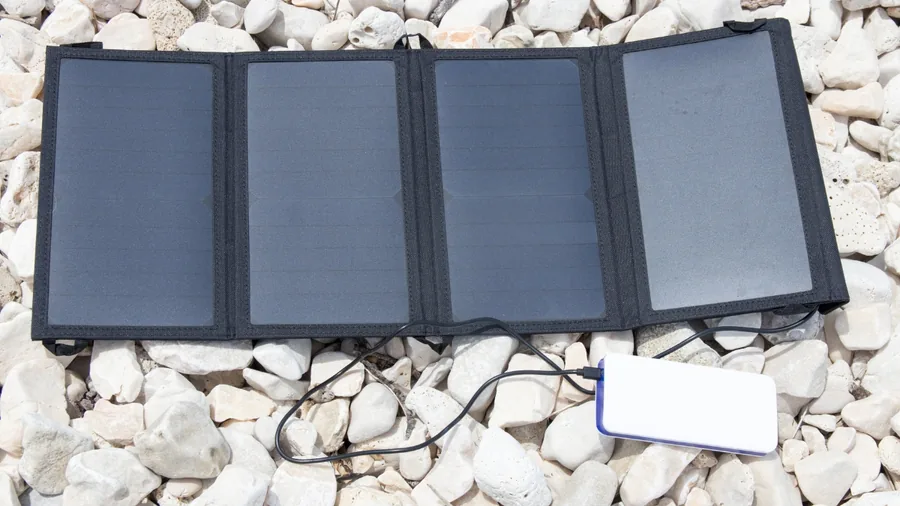
Charge the battery before leaving home. Solar can replenish it during the trip, but starting with an empty battery makes the first evening depend entirely on the weather. For longer stays, a camping solar panel and compatible USB battery can support several small devices.
Read Runtime Claims Carefully
An advertised maximum runtime may refer to the lowest brightness setting. It may also assume a fully charged, healthy battery. Look for separate figures by mode when the manufacturer provides them.
You can think about the trade-off with a simple example: a light drawing 2 watts for five hours uses 10 Wh. A light drawing 5 watts for the same time uses 25 Wh. Those are illustrative loads, not measurements of a particular product.
If the lights can charge your phone, remember that both jobs share the stored energy. Using the light's battery as an emergency phone charger can leave less power for the evening.
Weather Resistance and Everyday Use
Read the weather rating for the complete system, including charging ports and any cable connections. Splash resistance does not mean the unit can sit in a puddle or remain submerged after a storm.
Keep the charging connections protected as directed, and let wet equipment dry before packing it. Avoid winding a muddy cord tightly into a closed housing and leaving it there until the next trip.
Hang lights above normal walking height where practical, and make low cords visible. Never stretch them across a shared path. Give the cable enough slack that a gust of wind does not pull on the electrical connector.
Use a separate camping lantern where you need focused light for cooking or reading. If the string lights support USB charging, account for that load when choosing a camping power bank.
Frequently Asked Questions
Will solar string lights work in a shaded campsite?
They can run from a previously charged battery, but replenishing that battery under heavy shade is another matter. Choose USB charging as a backup or move the panel into a suitable sunny area.
Are garden solar lights good for camping?
Some are usable, but a fixed garden design may be awkward to transport and mount. Camping-oriented storage and charging features can make a noticeable difference.
Can I leave them on all night?
Check campground quiet-hour and lighting expectations, battery capacity, and your neighbours' comfort. Turning unnecessary lights off also leaves more energy for the following evening.