Best Solar Fan for Camping
Choose a camping fan and solar charging setup with enough battery capacity for the hours you need it.
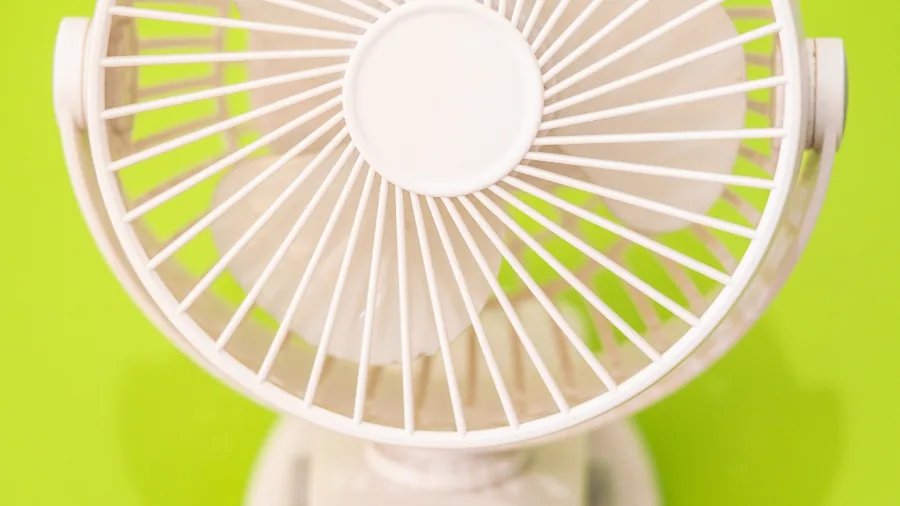
A camping fan can make a still evening more comfortable, help move air through a tent, and give you a breeze while cooking under an awning. Finding the best solar fan starts with a simple question: do you need it only while the sun shines, or do you want it running after dark?
For most overnight camping, a battery-powered fan charged through a compatible solar setup is more useful than a fan connected directly to a panel. The battery bridges the gap between when you collect energy and when you actually want the breeze.
What Counts as a Solar Camping Fan?
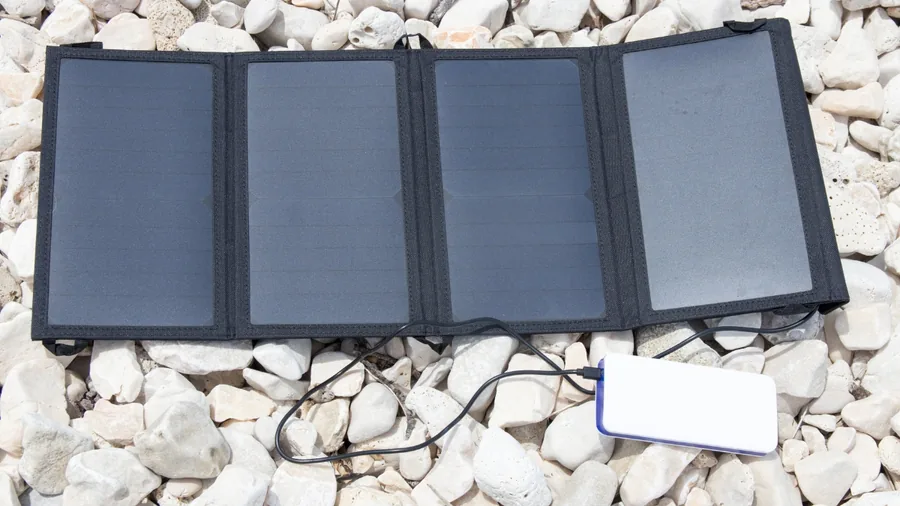
The term covers several different arrangements. Some fans connect directly to a small panel. Others include a rechargeable battery and a solar charging option. A regular USB or battery fan can also be part of a solar-powered campsite if compatible equipment recharges it.
Those arrangements behave differently. A direct-solar fan may slow down or stop when the panel loses sunlight. A battery fan can keep running, but only until its stored energy is used up.
Read the charging specifications carefully. A picture of a fan beside a panel does not tell you whether the panel, battery, charger, or necessary cables are included.
Best Setup for Sleeping in a Tent
For overnight use, look for a rechargeable fan with a useful low-speed setting, stable mounting, and accessible controls. Quiet operation matters more when the fan is close to your head than when it sits across a picnic table.
Check runtime at the speed you intend to use. An advertised maximum may refer to the lowest setting, possibly with any built-in light switched off. It should not be treated as an all-night guarantee at maximum airflow.
A timer can be useful if you only need airflow while falling asleep. A separate light can also be preferable to a combined fan-and-lantern if you want to position the breeze and the illumination in different places.
Best Setup for Car Camping
Car camping gives you more room for a larger fan and battery. A USB fan connected to a compatible power bank can be a straightforward option, especially if you already carry the bank for phones and lighting.
Another option is a fan using a tool battery you already own. For example, the RYOBI 18V ONE+ hybrid 7.5-inch fan uses the brand's battery system or an appropriate extension-cord supply. It is not a self-contained solar fan.
To incorporate a tool-battery fan into solar camping, you would need a compatible charging arrangement using the approved battery charger. Confirm that any power station can support that charger. Do not connect a tool battery directly to a generic panel or improvised charging cable.
Work Out the Overnight Energy Requirement
Multiply the fan's power consumption by the hours you want it to run. An illustrative 8W fan operating for eight hours uses 64 Wh. A 15W fan over the same period uses 120 Wh.
Those are examples, not measurements of the product mentioned above. Use the fan's actual specifications or measured consumption at your chosen speed. If a built-in light operates at the same time, include that load too.
Allow for losses in the power bank, power station, cables, and any inverter used. A battery labelled 100 Wh does not necessarily deliver 100 Wh to the fan. The useful output depends on the equipment and how it is connected.
Match the Panel to Daily Recharging
Suppose your fan uses 64 Wh overnight and you allow 80 Wh of daily collection to replenish the system. With four equivalent full-sun hours and an illustrative 75 percent collection factor, the panel estimate is 80 ÷ 4 ÷ 0.75, or about 27W.
That calculation might lead you to compare compatible panels in a larger practical category rather than choosing an exact 27W product. If the same system also charges phones and lights, add those requirements before selecting the panel.
Poor weather changes the picture quickly. Enough battery reserve for another night can be more useful than assuming the next afternoon will provide ideal charging conditions.
Airflow and Placement Matter
A fan moves air; it does not refrigerate the tent. Choose a shaded campsite where appropriate, use the tent's ventilation features, and manage heat before expecting a small fan to solve the problem.
Position the fan so it can move air without being blocked by bedding or clothing. Keep the intake and outlet clear. If you hang it, use an attachment point designed for the load and follow the fan and tent instructions.
Avoid placing loose cables where someone will trip during a midnight exit. A stable fan at a moderate speed is usually more useful than a powerful one balanced awkwardly above your sleeping area.
Look Beyond the Headline Runtime
Check how the fan is charged, how long charging takes, and whether it can operate while charging if that feature matters to you. Not every rechargeable device supports simultaneous charging and use.
Consider repairability and replacement batteries where available. A familiar battery system may be convenient, but a compact integrated unit can be easier to pack. There is no automatic winner between those formats.
Weather protection also matters. Keep the fan and charging equipment within their stated conditions. An outdoor camping label does not mean a fan can sit in rain or tolerate condensation without limits.
Budget fan charging alongside your camping power bank loads. If you need actual cooling rather than moving air, read the separate solar air-conditioning guide and check the much different equipment requirements.
Frequently Asked Questions
Can a solar panel run a fan without a battery?
Yes, when the fan and panel are designed to work together. Expect performance to follow available sunlight. That arrangement is less useful if your main goal is airflow after sunset.
Is a USB fan enough for a large tent?
It may provide a personal breeze, but one small fan may not move air effectively throughout a large space. Consider placement, the number of occupants, and realistic airflow expectations.
Can a fan keep a parked vehicle safe in hot weather?
Do not treat a fan as a solution for leaving people or pets in a hot parked vehicle. It does not provide air conditioning or make an enclosed vehicle safe.
What should I test before leaving?
Run the fan overnight at the setting you expect to use, using your actual battery. Then test the solar charging arrangement. Knowing the real runtime is more valuable than discovering halfway through the night that the advertised maximum used a different setting.
For trips in colder weather, our solar camping heater guide looks at a different comfort problem; a fan and a heater have very different power requirements.