Best Solar Showers for Camping
Choose a solar shower for your camping style, manage water use, and set up a practical place to rinse off.
A solar shower is one of those camping extras that becomes much more appealing after a dusty hike or a day at the beach. You do not need a full RV bathroom to rinse off, and you do not necessarily need electricity either. A dark water bag, some sunshine, and a sensible place to use it can be enough.
The best solar shower depends on how you travel. A backpacker needs something light and compact. A family camping beside the car may care more about capacity and ease of filling. Start with those needs instead of expecting one shower to do everything.
How a Solar Shower Actually Works
A traditional solar shower collects heat from sunlight. The water warms inside a bag or container, then flows through a small shower head. Most simple hanging bags use gravity to move the water, so the container needs to sit above the person using it.
This is different from a battery-powered shower pump. A pump moves water; it does not necessarily heat it. A product described as a portable shower may need you to provide warm water separately. Check what the system actually does before comparing prices.
Sunshine, wind, starting water temperature, and the amount of water all affect warming time. Treat a claimed heating time as a result under particular conditions, not an appointment your shower will reliably keep.
Best for Lightweight Packing
A small gravity bag makes sense when packed size and weight matter. Fewer fittings usually mean less equipment to carry, and a simple flow control can make the water last longer.
The Sea to Summit Pocket Shower is a concrete example of this category. The manufacturer lists a 10-litre capacity, a 120g packed weight, and a twist-operated shower head. Its dark fabric is intended to absorb sunlight while the water sits at camp.
Those specifications make it worth considering for compact storage. They do not mean ten litres will provide everyone in a group with a long shower. Your flow setting and washing habits determine how far the water goes.
Best for Car Camping
When the car carries the gear, a larger bag or container can be more practical than the smallest possible option. Look for a filling opening you can manage easily, a comfortable carrying handle, and a hose long enough to reach where you need it.
Remember the weight of the water. Ten litres weighs about ten kilograms before adding the container. A twenty-litre shower is therefore a serious load to lift, carry, and suspend. Do not assume a tent pole, roof-rack accessory, or convenient branch is an appropriate support.
A smaller bag refilled more often may be easier to use than one large bag that nobody wants to lift. Consider who will fill it and where the nearest permitted water source is located.
Best for Rinsing Gear and Sandy Feet
A pump-style camp shower can be convenient when you want the water container to stay on the ground. It can also make rinsing muddy equipment easier because you can move the nozzle around without hanging a heavy bag overhead.
The trade-off is extra equipment. Depending on the design, you may need a battery, a charging lead, or a manual pressure system. Check whether the pump is included and whether it is designed for the water temperature you intend to use.
For this job, controllable flow is often more useful than a powerful spray. You are usually trying to clean a small area without emptying your entire water supply onto the campsite.
Choose Capacity Around Your Routine
Think in short rinses rather than household shower times. Wet yourself, stop the flow while washing, then rinse. A shut-off control at the nozzle makes that much easier than reaching up to a bag every few seconds.
For a group, agree on a water budget before the first person starts. Keep drinking and cooking water reserved separately. It is easy to underestimate how much water a comfortable rinse uses when you are not watching the supply.
If you only need to wash your face and feet, a full hanging shower may be unnecessary. A washcloth and a small basin can be easier to pack and manage, especially on a short trip.
Set It Up Before You Need It
Fill the container according to its instructions, then place it in a suitable sunny location. Keep it away from sharp gravel, hot vehicle surfaces, and anything that could damage its seams. Give it time to warm while you are doing other things around camp.
Test the water before putting it on your skin. Sun-warmed water can become hotter than expected, and temperatures may not be uniform throughout the container. Mix or adjust it safely as the manufacturer recommends.
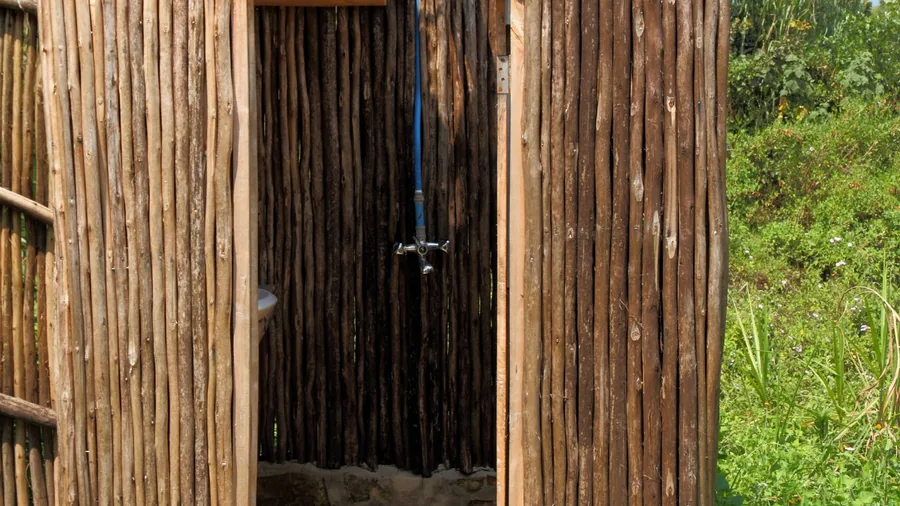
Arrange privacy and drainage before lifting the shower into place. You should not be balancing a heavy bag while trying to decide where the runoff will go.
Use It Without Making a Mess
Follow the campground's rules for washing and greywater. A portable shower does not make every patch of ground an approved washing area. Where collection is required, use an appropriate basin or other permitted arrangement.
For backcountry washing, National Park Service guidance calls for keeping washing away from water sources and campsites, and notes that biodegradable soap still does not belong in waterways. Use minimal soap and follow the rules for the place you are visiting.
Keep the washing area separate from food preparation. Pack away wipes, packaging, and anything else you bring in. A cleaner camper should not leave a dirtier campsite behind.
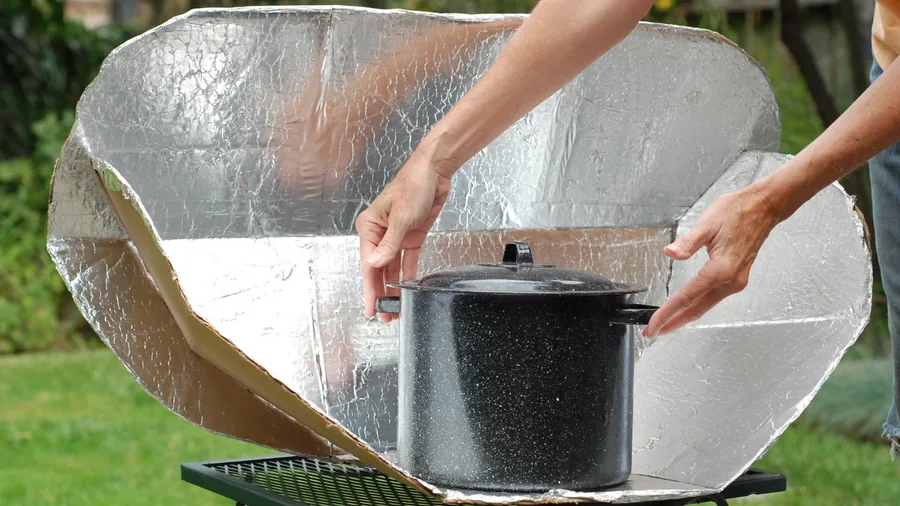
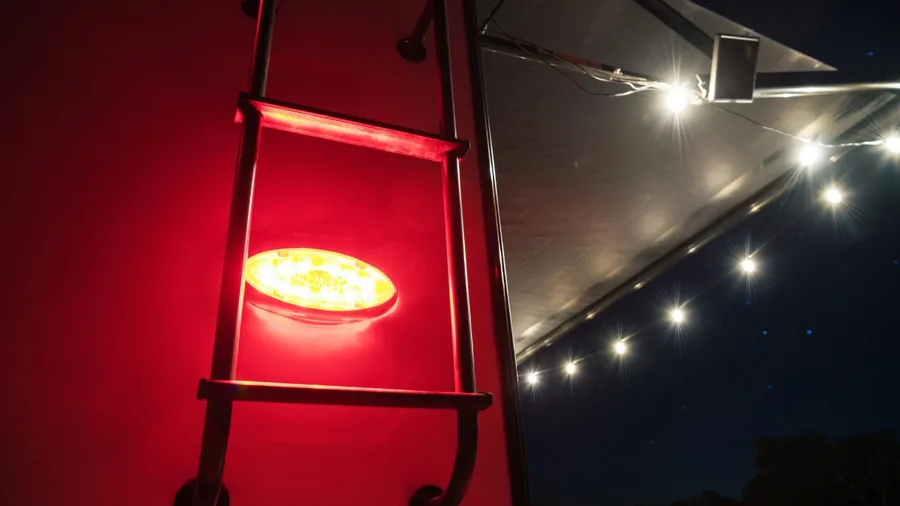
A comfortable camp also needs a workable cooking and lighting routine. Compare solar camping stoves for cooking in suitable conditions and solar string lights for illuminating the area after dark.
Frequently Asked Questions
Will a solar shower work on a cloudy day?
It still holds and dispenses water, but warming may be limited. Plan for a cool rinse or another permitted option instead of assuming the sun will provide hot water.
Is a solar shower the same as a solar-powered pump?
No. Traditional shower bags use sunlight for heat and gravity for flow. A pump needs a power source and may provide no heating at all.
How should I store it in the garage?
Empty it, clean it according to the instructions, and let it dry fully. Store the bag and hose where they will not be crushed, punctured, or forgotten while damp. That small amount of care makes the next trip much more pleasant.