Solar Powered Electric Fences
Understand solar fence energizers, batteries, grounding, and the checks that keep a fence working reliably.
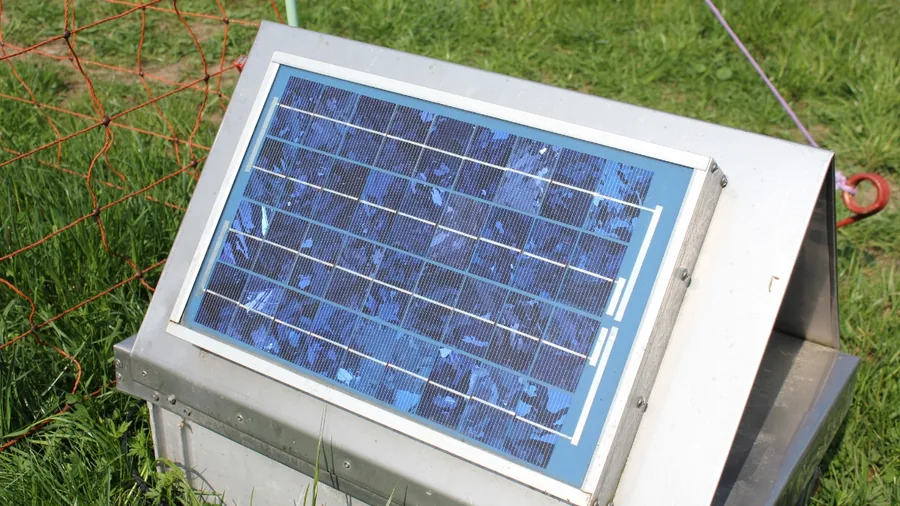
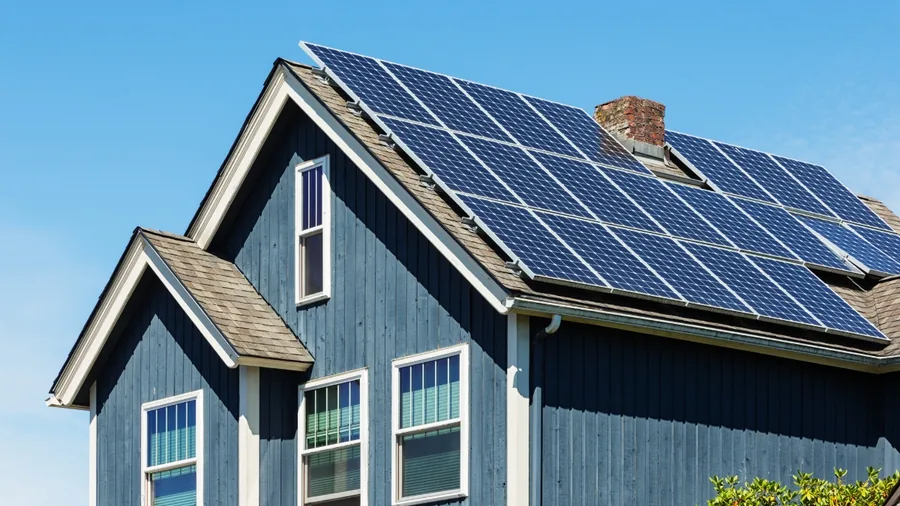
A solar-powered electric fence can be useful when you need a working fence away from a convenient mains connection. It might serve a small paddock, a temporary enclosure, or a garden protection system. The solar panel charges a battery, and a purpose-built energizer supplies the fence pulses.
The panel is only one part of the arrangement. Fence construction, grounding, vegetation, battery condition, and the animal you are trying to contain or exclude all affect the result. A solar label does not turn a poorly planned fence into a dependable one.
How the System Works
Think of the setup as four connected jobs. The panel collects energy. The charging system maintains the battery. The energizer converts stored energy into controlled pulses. The fence conductors and grounding arrangement complete the working system.
A solar electric fence can therefore operate at night, provided the battery has adequate stored energy and the equipment is functioning correctly. It is not supposed to stop working whenever a cloud passes over the panel.
Use a certified, purpose-built fence energizer and follow its installation manual. Never improvise by connecting a fence directly to household power, a solar panel, or an unregulated battery supply.
Choose Around the Animal and Fence
Start with the job you want the fence to do. Keeping trained livestock inside a paddock is different from discouraging wildlife from a garden. The appropriate conductor type, wire spacing, height, and required fence voltage depend on that job.
A short fence with vegetation touching several wires can be a more demanding electrical load than a longer, clean fence. Multiple strands, poor joints, and unsuitable insulators also affect performance. Distance ratings on packaging should not be read as a guarantee for every installation.
Ask the manufacturer or a knowledgeable supplier to match the energizer to your actual layout. Give them the fence length, number of strands, expected vegetation, soil conditions, and target animals rather than choosing by acreage alone.
Understand Joules and Voltage
Energizers are commonly described using joules and voltage, but these measure different things. Joules describe energy, while voltage describes electrical potential. A larger number on one line of a product listing does not tell you everything about fence performance.
Also distinguish between stored joules and output joules. Those figures are not interchangeable. Compare like with like and use the manufacturer's recommendation for the application.
For an accessible overview of energizer selection, Virginia Tech's electric-fencing guide explains the role of energizers and battery-powered solar arrangements. Use that background alongside the installation instructions for the unit you buy.
Grounding Deserves Proper Attention
A fence can have a healthy battery and an operating energizer yet still perform poorly because its grounding arrangement is inadequate. Soil conditions matter, and dry or frozen ground can complicate performance.
Follow the manual for ground rods, spacing, connections, and separation from other electrical systems. Do not substitute a household electrical ground or a convenient pipe. There is no single ground-rod recipe that should be copied across every energizer and site.
Use the specified test procedure to assess the ground system. A blinking light on the energizer only tells you what that indicator is designed to report; it does not prove the entire fence is delivering the intended result.
Match the Battery and Solar Supply
An integrated solar energizer packages the panel, battery, and charging system together. That can simplify a modest installation. A larger setup may use separate components, but those need to be matched rather than assembled from spare parts without checking.
Look for the manufacturer's guidance on operating reserve, battery maintenance, and expected seasonal conditions. Several cloudy days can matter more than the output on one sunny afternoon.
For a product example, Gallagher's S6 solar energizer is marketed for small pet and garden applications and includes an internal battery charged by its panel. That does not make it a general recommendation for livestock, large properties, or wildlife exclusion.
Plan the Installation Before Driving Posts
Draw the fence route, gates, energizer position, and grounding area first. Identify where people will cross, where vegetation grows quickly, and where equipment could damage the conductors.
Choose a panel location with suitable sun exposure and access for inspection. A sheltered-looking spot underneath a tree may be convenient for the energizer but poor for collecting solar energy. Protect the equipment against animals and accidental knocks as directed by its manufacturer.
Check local requirements for electric fencing, signs, access routes, and the intended application before installation. A private paddock and a garden beside a public walkway create different practical considerations.
Test It With the Right Equipment
Use a tester intended for electric fences. Do not touch the wire to check whether it works, and do not assume an ordinary household meter is suitable for pulsed fence output.
Establish a baseline when the fence is installed correctly. Record readings at the energizer and at representative points along the fence. Later readings are much easier to interpret when you know what normal looks like.
If performance drops, inspect for branches, grass, broken conductors, damaged insulators, loose connections, and gate problems. Check the battery and grounding using the manufacturer's troubleshooting sequence rather than immediately buying a larger panel.
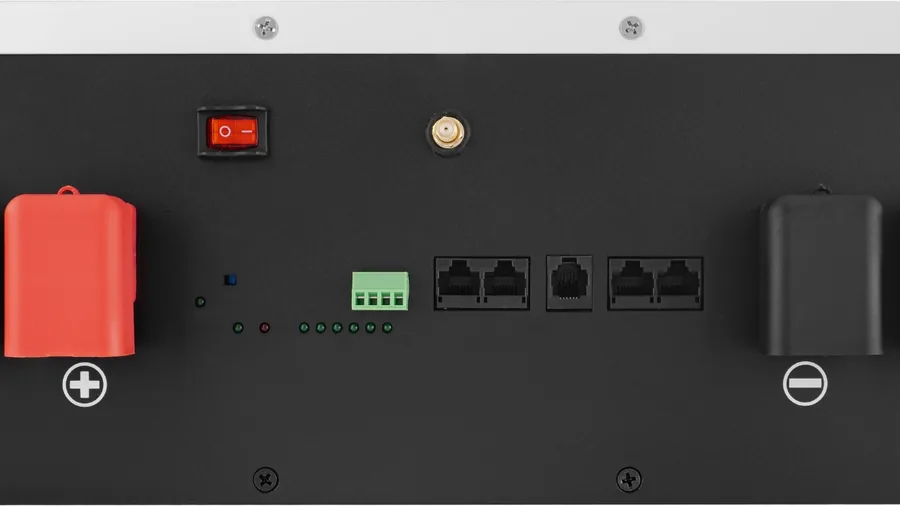
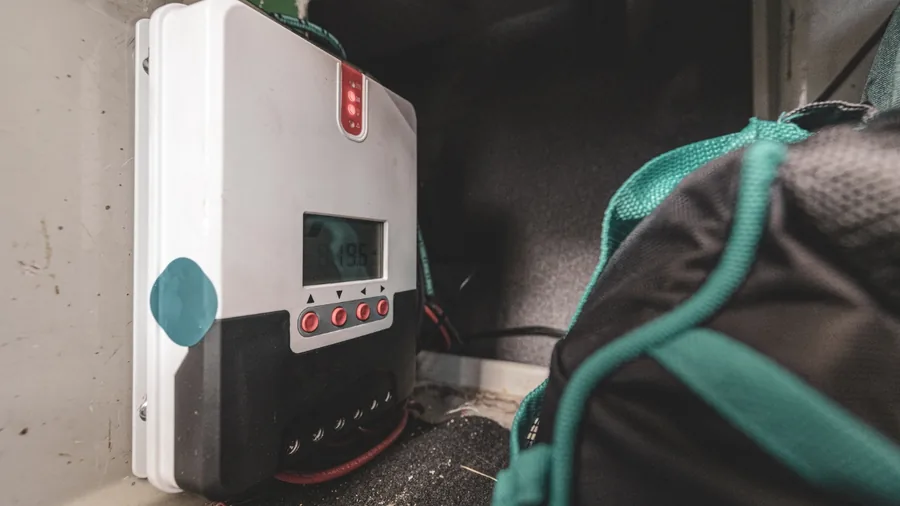
For background on the electrical components, read about solar-system batteries and charge-controller sizing. These explain general concepts; the fence energizer manual still determines the correct components for your fence.
Frequently Asked Questions
Does a solar fence work in winter?
It can, if the system is designed for local conditions and maintained appropriately. Shorter days, snow on the panel, battery temperature, and frozen soil all need consideration.
Can I use it to keep every kind of wildlife out?
No single layout is suitable for every animal. Get application-specific advice, especially where people, pets, protected wildlife, or powerful animals may encounter the fence.
Does solar mean maintenance-free?
No. Inspect the fence, clear vegetation, check connections, and maintain the battery according to its instructions. The solar panel reduces dependence on a mains supply; it does not replace regular attention to the fence itself.