How to Get a Skunk Out of Your Garage
Give a skunk a safe way out of your garage, know when to call for help, and reduce the chances of another visit.
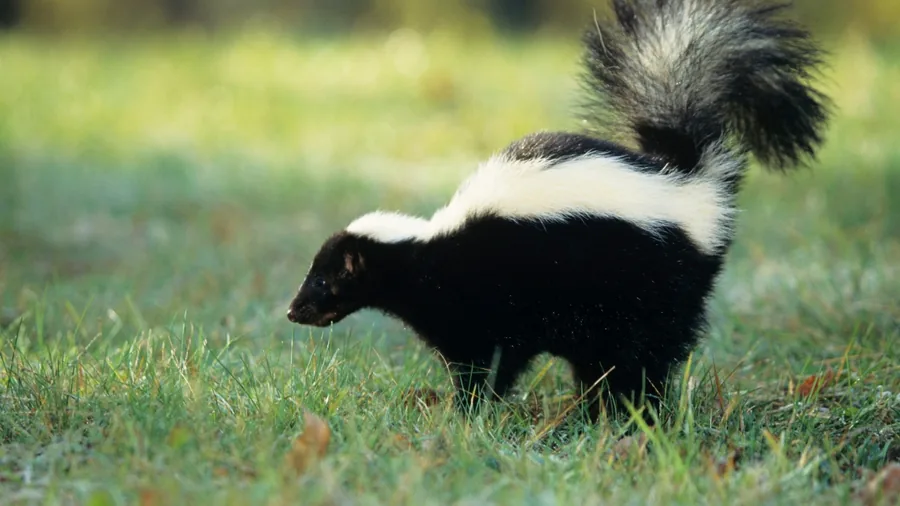
Finding a skunk behind your garage shelves is a pretty good reason to put the weekend project on hold. The good news is that a skunk that wandered through an open door may simply need a quiet way back outside. Chasing it around the lawn mower is much more likely to make an awkward situation worse.
The goal is to give the animal space, keep people and pets away, and let it leave without feeling cornered. Here is how to approach the situation, when to stop trying, and what to change so your garage does not become a regular stop.
Start by Keeping Your Distance
Stop moving toward the skunk. Bring children and pets indoors, and keep your dog away from the garage entrance. A barking dog can turn a calm animal into a defensive one very quickly.
If you can close the connecting door between an attached garage and your house without approaching the skunk, do that. You want the obvious exit to lead outdoors, not into your kitchen. Do not step over the animal or squeeze past its hiding place to reach a switch.
Leave the car where it is. Starting an engine, moving equipment, or pulling storage bins out around the skunk adds noise and reduces its space. This is one garage job where doing less is often the useful first step.
Give It a Clear Route Outside
Alberta's skunk guidance recommends leaving the door open and allowing a skunk in a house or garage to depart on its own. If you can safely operate the overhead door from a distance, open it and move away.
Check the route from outside. A bicycle lying across the entrance or a cluster of garbage bags can make the exit less obvious. Only clear obstacles if you can do so without getting close to the animal. Do not try to build a corridor around a skunk that is already frightened.
Keep the area outside the door quiet. Standing in the driveway with a flashlight pointed into the garage is still standing near the exit. Watch from a protected distance instead, and keep other people from gathering to look.
Allow Time, Especially Around Dusk
A skunk tucked behind a cabinet may stay there while the garage is busy. Skunks are generally active at night, so a quiet opening around dusk can be more useful than repeated attempts to disturb them during the afternoon.
The Wisconsin Humane Society's garage guidance also notes that nocturnal animals may wait until after dark to leave. That does not mean every skunk will follow a timetable. An injured animal, a mother with young, or an animal with no usable exit needs a different response.
If leaving the garage open creates an immediate security problem, or you cannot monitor the situation safely, call a humane wildlife professional. Do not turn an uncertain wait into an improvised capture attempt.
Avoid the Tricks That Make Things Worse
Do not chase the skunk with a broom, spray it with a hose, or send a dog in after it. Avoid smoke, chemical repellents used outside their labelled purpose, and household mixtures intended to drive it out. These can create problems for you without producing a controlled exit.
Do not put food near the garage to lure it toward you. Food can attract additional wildlife and may encourage another visit. If exposed pet food or rubbish is nearby, remove it only when you can do so without approaching the animal.
Catching and relocating wildlife is not a casual DIY job. Before considering a trap, get advice from a qualified local service about the animal, possible young, and the rules that apply where you live.
When You Should Call for Help
Get professional advice if the skunk appears injured, is trapped in a container, cannot move normally, or remains despite a quiet, accessible exit. Do the same if you hear young animals or suspect a den underneath a floor, step, or storage structure.
Do not assume that an animal seen in daylight is sick, and do not try to diagnose it from a few seconds of behaviour. Describe what you have actually observed when you call. In Calgary, Calgary Wildlife provides guidance for injured or orphaned skunks.
If a person is bitten, scratched, or has direct contact that raises a concern about exposure, seek medical advice promptly. For an injured or sprayed pet, contact your veterinarian. Keep the wildlife problem separate from treating an injury.
Confirm It Has Left Before Closing Up
Seeing the skunk leave is better than assuming silence means the garage is empty. Observe from a safe position, then inspect accessible areas once the animal is gone. Do not crawl into a dark gap where you cannot see what is inside.
If the skunk may have young, do not immediately seal an opening. Blocking access while animals remain inside can create a bigger problem. A wildlife professional can help determine whether the garage was a brief stop or an established shelter.
Once you know the space is clear, close the garage and deal with the entry point. A damaged bottom seal, open side door, or gap beside stored equipment is worth fixing before the next evening.
Make the Garage Less Inviting
Keep pet food and birdseed in secure containers. Use rubbish bins with properly fitting lids, clear spilled seed, and avoid leaving food bowls outside overnight. These are useful improvements even if the skunk never returns.
Reduce hiding places near the entrance without disturbing occupied dens. Store loose gear on shelves, keep the floor around the door clear, and repair damaged weatherstripping. Our guide to organizing garage tools can help make those corners easier to inspect.
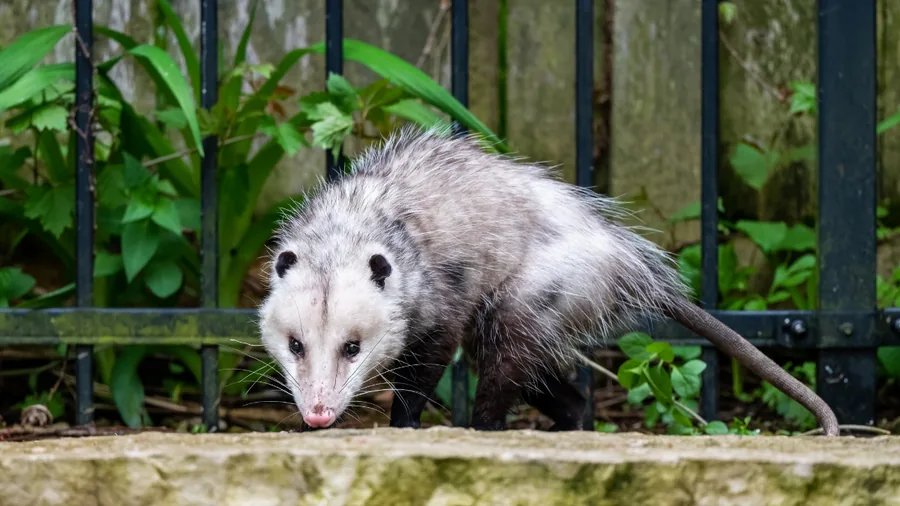
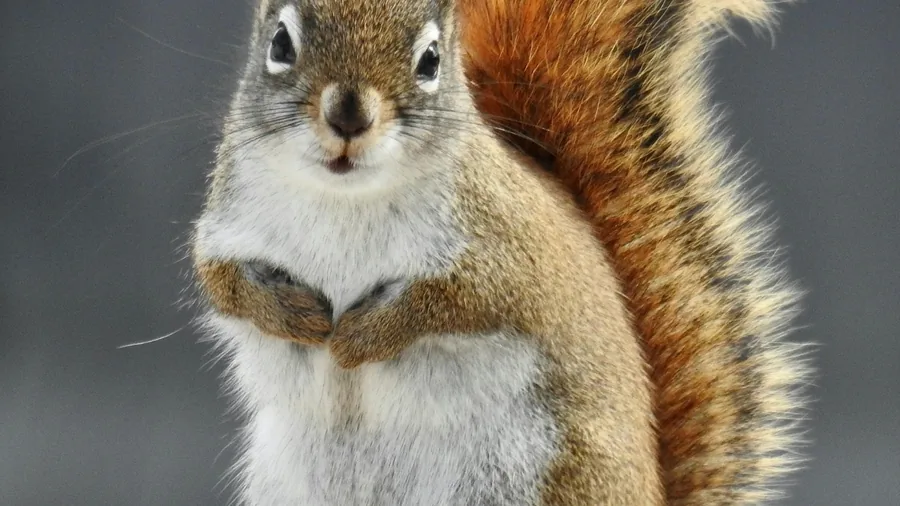
If the visitor turns out to be a different animal, use the appropriate guide for a possum in the garage or squirrels in the garage. The right response depends on the animal; removal advice is not interchangeable.
Frequently Asked Questions
Will a skunk leave on its own?
A healthy animal that wandered inside often will, provided it has a clear exit and space. Do not treat that as a guarantee if it appears injured or has young.
Should I leave the lights on?
Focus on a quiet exit rather than trying to force a reaction with lights. Avoid repeatedly entering the garage to change conditions.
Can I prevent every visit?
Probably not, but closing doors when the garage is unattended and removing food sources makes an accidental visitor much less likely to settle in.